


Analytical Documentation: The Technical Foundation of Laboratory Quality
DOCUMENTAÇÃO ANALÍTICA
Marcelo Bizarro
9/30/20253 min read


Quality in a laboratory is not sustained solely by calibrated equipment or validated methods. There is a less visible, yet absolutely essential pillar: analytical documentation. It is what ensures the reliability of results, traceability of processes, and regulatory compliance, transforming technical knowledge into consistent practice.
At BizaLumière, we offer specialized technical support for the development, review, and structuring of analytical documents — with a focus on clarity, applicability, and robustness, without excessive bureaucracy.
Why Is Analytical Documentation Strategic?
More than a regulatory requirement, analytical documentation is a strategic tool for laboratory quality. It connects science, operations, and decision-making, bringing benefits such as:
Preventing rework and operational deviations
Strengthening data reliability
Facilitating technical investigations in case of nonconformities
Supporting regulatory submissions with consistency and clarity
Ensuring traceability and scientific integrity
Essential Types of Technical Documents
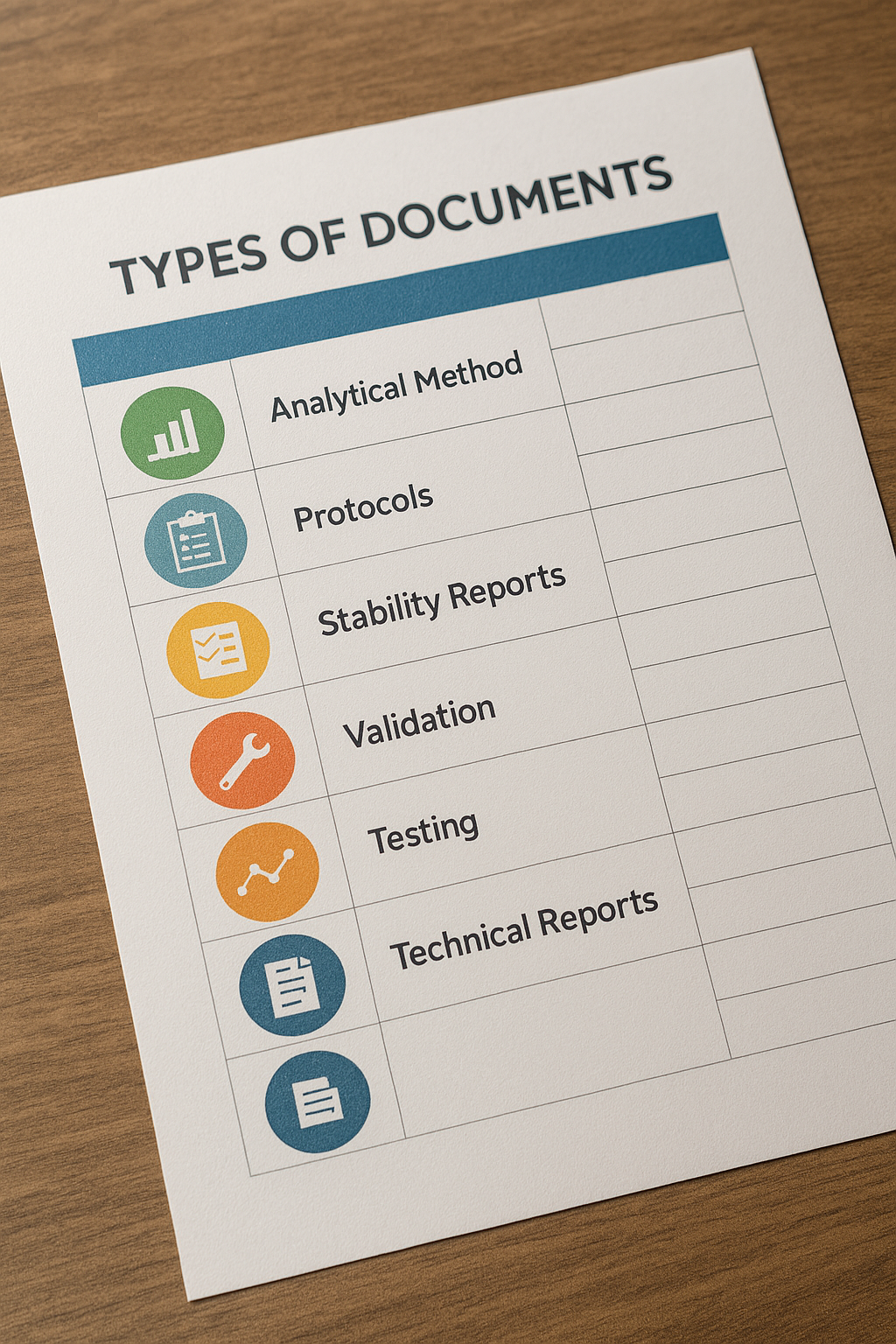
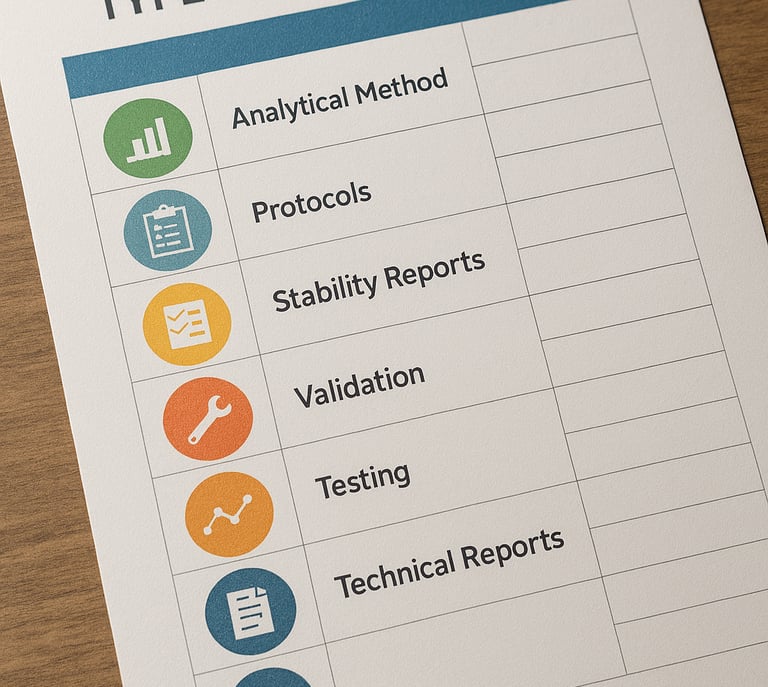
When structuring a laboratory's documentation foundation, it is crucial to include different types of records, each with a specific technical purpose:
Document Type - Technical Purpose
Analytical Method: Define, standardize, and validate analysis procedures
Validation Protocol: Demonstrate the method’s robustness, accuracy, and applicability
Stability Report: Assess product integrity and performance over time
Technical Specifications :Establish acceptance criteria for raw materials and finished products
Forced Degradation Studies :Identify critical impurities and degradation products
Batch Analytical History: Consolidate analytical data and ensure traceability
Analytical Transfer Documents: Ensure consistency across different laboratories or units
This diversity of documentation ensures that every stage — from development to post-production monitoring — is recorded, validated, and easily auditable.
Technical Foundations of Analytical Documentation
An analytical document must be:
Accurate and objective – clear language, free of ambiguity
Structured and traceable – including a summary, version, date, and responsible parties
Regulatory-compliant – aligned with standards such as ISO 17025, ANVISA, and ABNT
Reproducible – describing materials, equipment, experimental conditions, and acceptance criteria
Transparent – presenting quantitative and qualitative results, along with interpretations and potential error sources
Drafting and Review Process
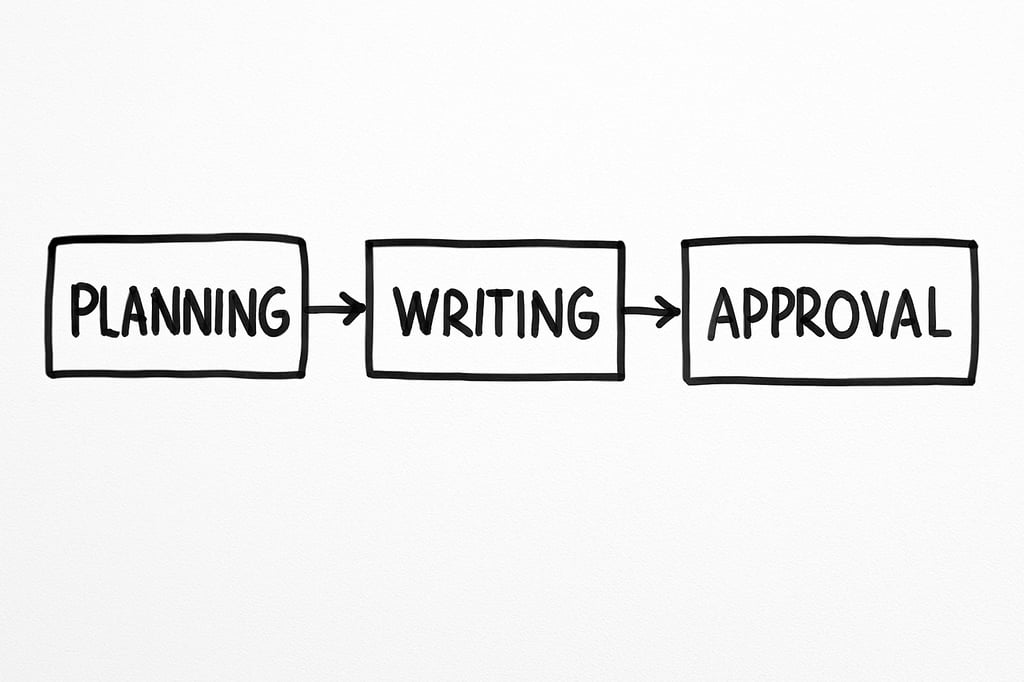
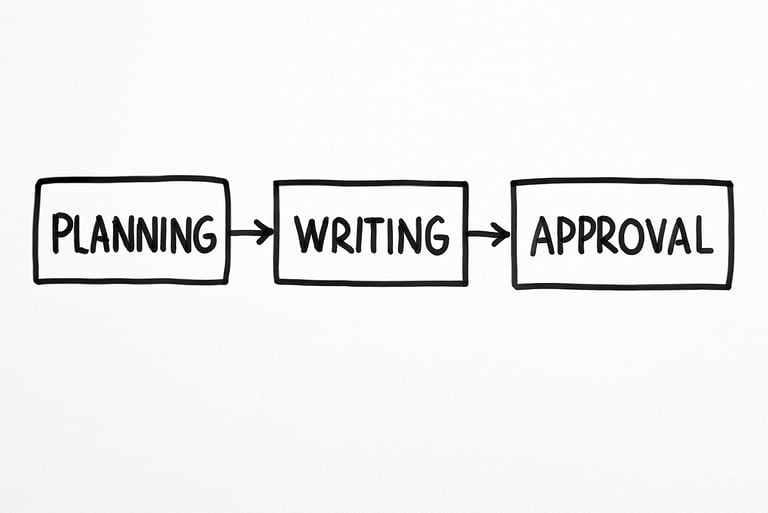
The drafting process follows a structured flow:
Planning – define the document’s purpose and target audience
Writing – use technical, standardized, and unambiguous language
Peer Review – ensure scientific and methodological validation
Validation – compare against standards and laboratory reports
Version Control – record changes, dates, and responsible parties
This cycle ensures reliability, traceability, and easy updates in case of regulatory or technological changes.
Benefits of Robust Documentation
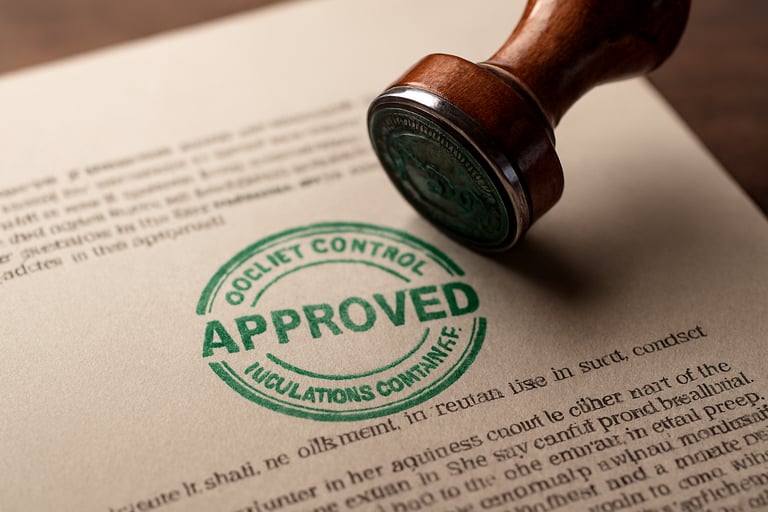
Standardization of processes, reducing errors and rework
Agility in audits and inspections, with clear evidence of compliance
Support for decision-making, thanks to data consistency
Greater scientific and regulatory credibility with clients and oversight agencies


Trends in Laboratory Documentation
The future of analytical documentation lies in digitization and automation:
Blockchain to ensure traceability of versions and changes
Artificial Intelligence to review texts, detect inconsistencies, and suggest improvements
Cloud-based collaborative platforms, enabling real-time updates and centralized access
EDMS (Electronic Document Management Systems) that automate organization, searches, and backups
These tools do not replace technical expertise but enhance security, efficiency, and transparency.
BizaLumière’s Distinctive Approach
More than just drafting documents, BizaLumière delivers:
Technical consulting focused on real-world applicability
Clear, well-founded, and ready-to-use content
Documents tailored to various laboratory segments (clinical, pharmaceutical, environmental, industrial)
Support in formatting technical dossiers for regulatory submission

Conclusion
Analytical documentation is the backbone of laboratory quality. It translates science into standardized practice, ensures data integrity, and supports critical decision-making.
With robust document management, your laboratory achieves not only operational efficiency but also scientific and regulatory credibility.
Need to structure or review your analytical documentation?
Contact BizaLumière and turn your documents into a pillar of technical quality.

BizaLumière
Specialized consulting in Technical Documentation and Analytical Regulatory Requirements
ContaCT
newsletter
© 2025. All rights reserved.
BizaLumière - CNPJ: 61.773.029/0001-09
Mogi das Cruzes - SP

Privacy Policy